Designers
Samuel Goudefroy
Year
2026
Category
New Talent
Country
Germany
School
HTW Berlin – University of Applied Sciences
Teacher
Franziska Schuh
Three questions to the project team
What was the particular challenge of the project from a UX point of view?
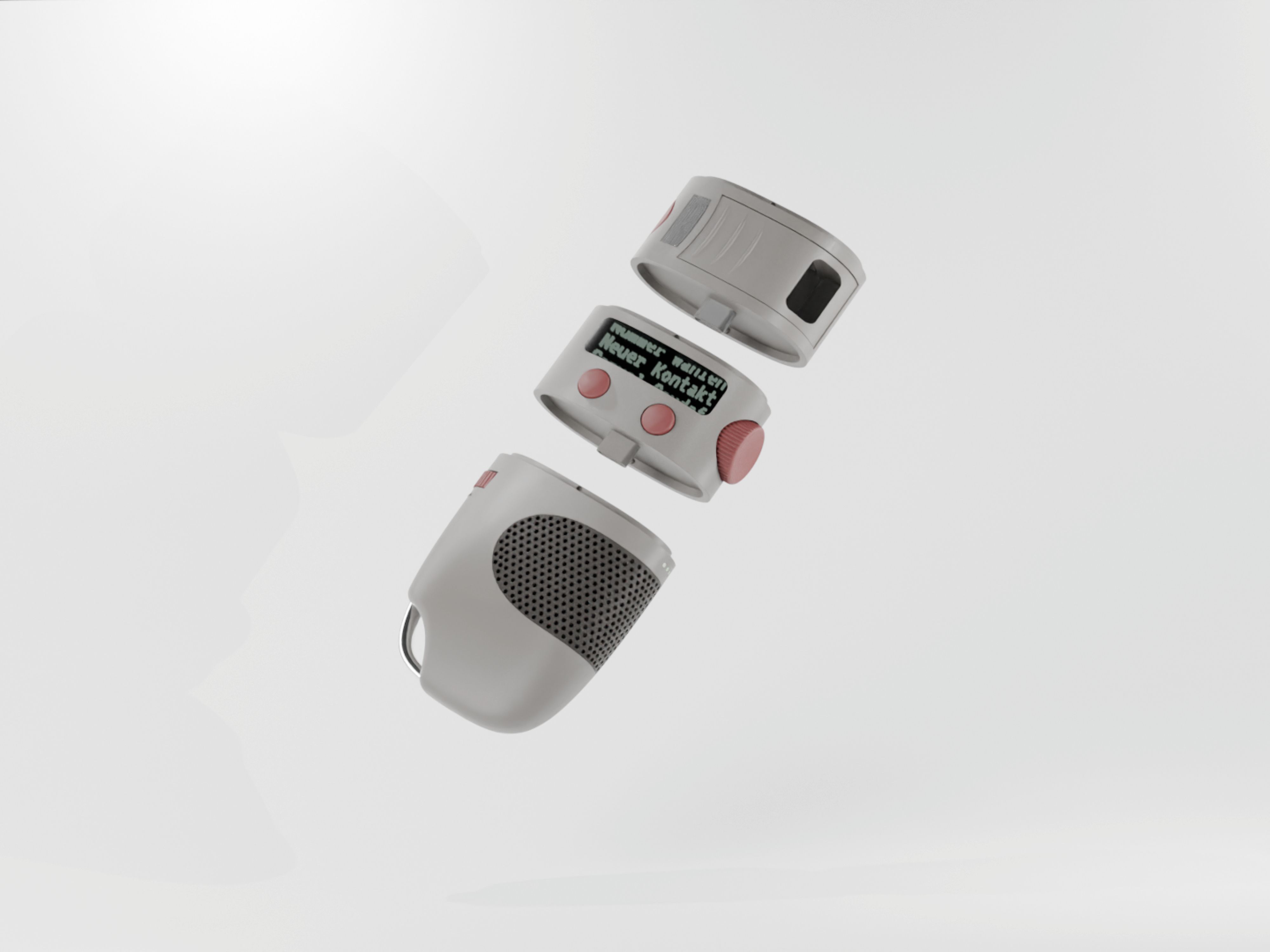
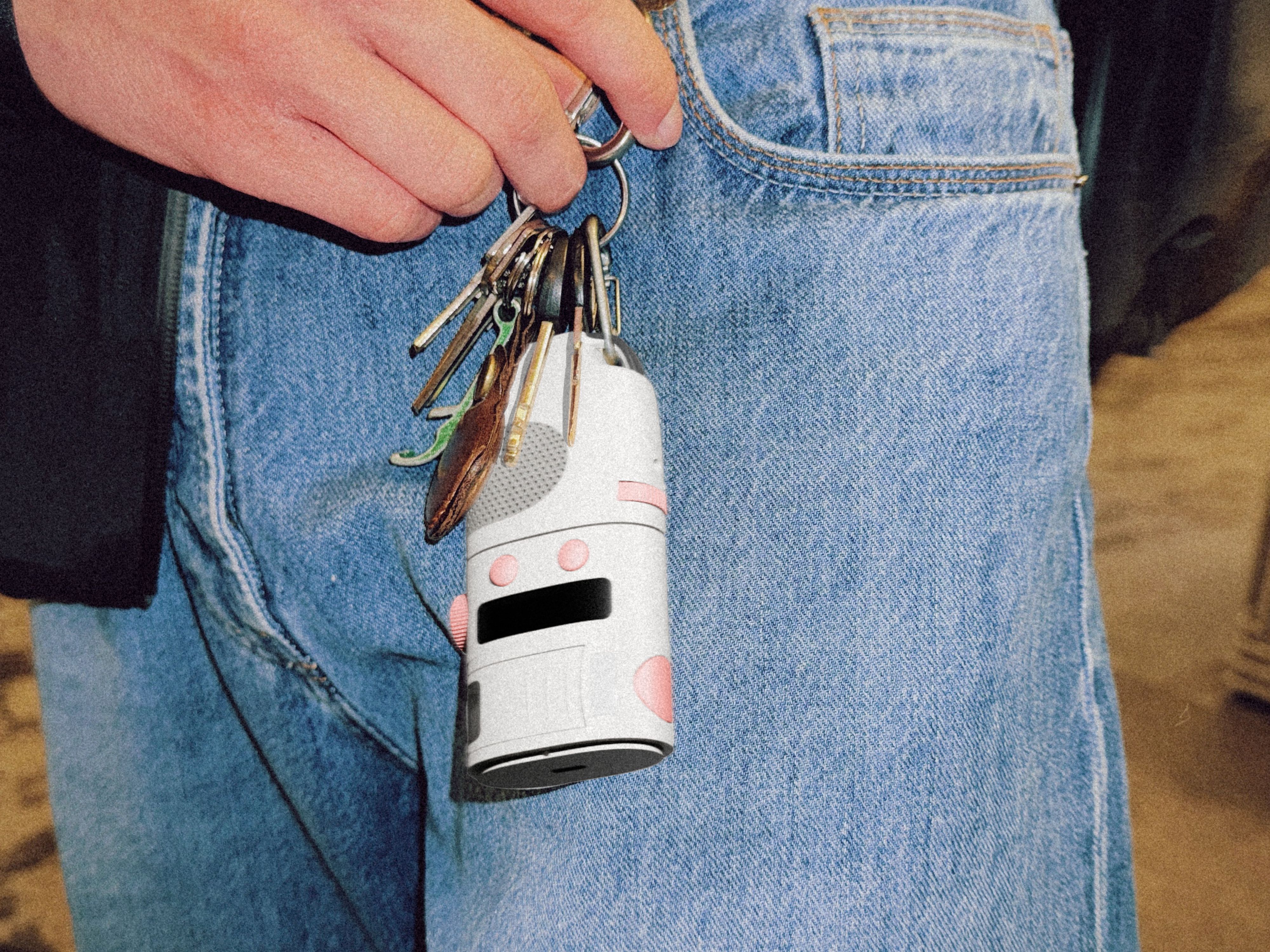
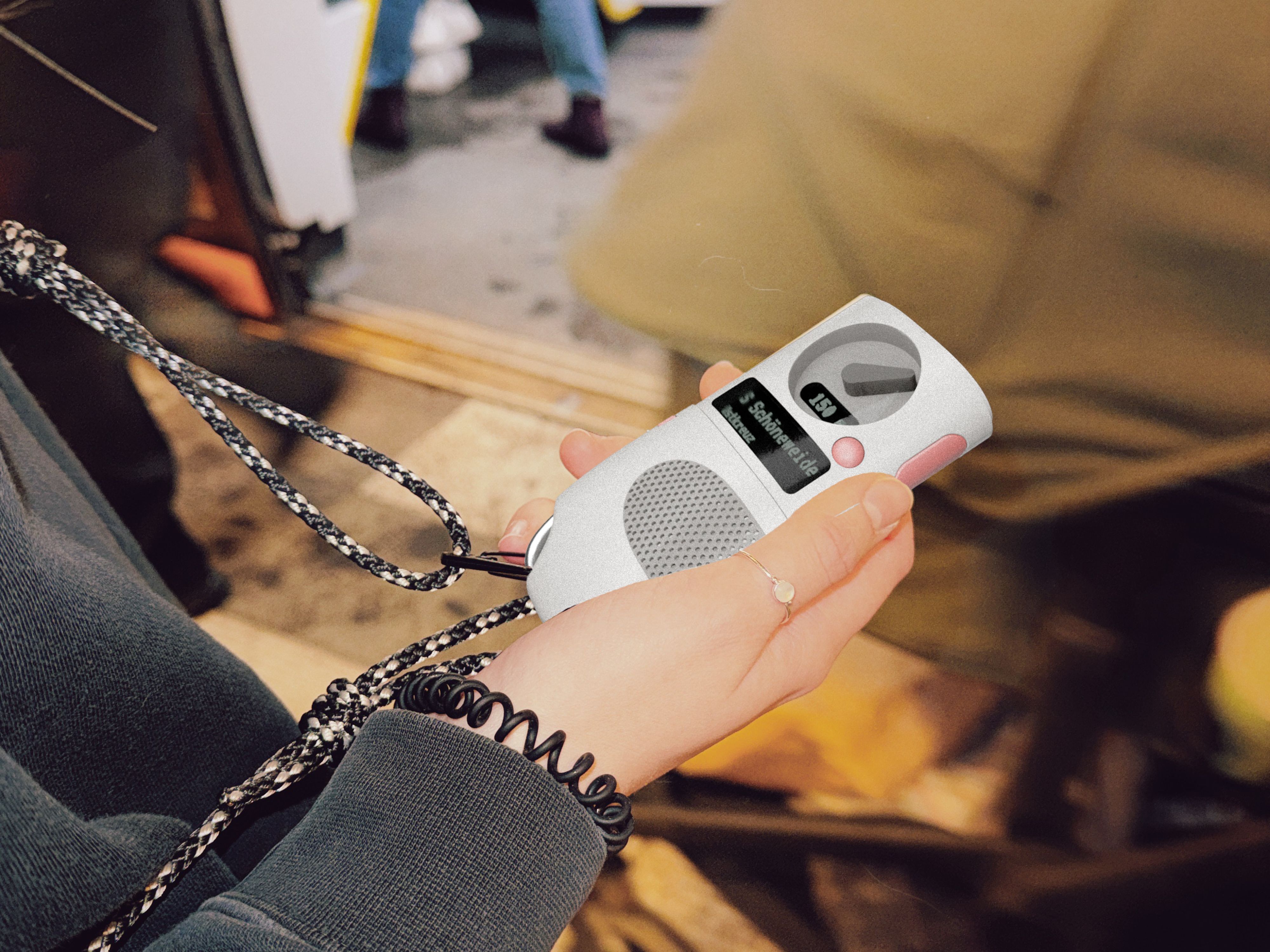
The core challenge was taking the tactile, intuitive interaction patterns of analogue devices like walkmans and landline phones and translating them into today's context. The mental models people already carry from those devices were the foundation, not just an aesthetic reference. Alongside that, finding the right balance between friction and comfort was key: Astro should nudge you to reflect on your phone use without feeling like a punishment. That balance only became clear through many conversations with people from the target group, as hearing how differently they relate to their phones shaped the design decisions.
What was your personal highlight in the development process? Was there an aha!-moment, was there a low point?
The research phase was genuinely eye-opening. I started noticing how much of my own time was disappearing into social media, and more importantly, I began reflecting on it rather than just drifting through it. That reflection naturally led to consuming less, and with less consumption came a positive sense of presence I had not expected. Early on it was challenging to navigate very different attitudes toward smartphone use within the target group. But those different perspectives gradually sharpened what Astro actually needed to be.
Where do you see yourself and the project in the next five years?
Astro started as a bachelor project, but the question behind it feels bigger than that. I hope it can make people pause and think about how they use technology and what they actually want from it. Most tech products are shaped by growth logic first and user needs second. Astro asks what it would look like if the user came first, from the very beginning. I think just its existence contributes to a conversation that needs to happen: that responsibility for how we use technology does not rest on users alone, but on the people who design these products and the priorities they choose.