Designers
Yuri Gwak, Jungwon Kim, Yongjun Yu, Jaekyoung Lee, Subin Lim
Year
2026
Category
New Talent
Country
Korea, Republic
School
Hongik University, Seoul National University, Pukyong National University
Teacher
Kicheol Pak
Three questions to the project team
What was the particular challenge of the project from a UX point of view?
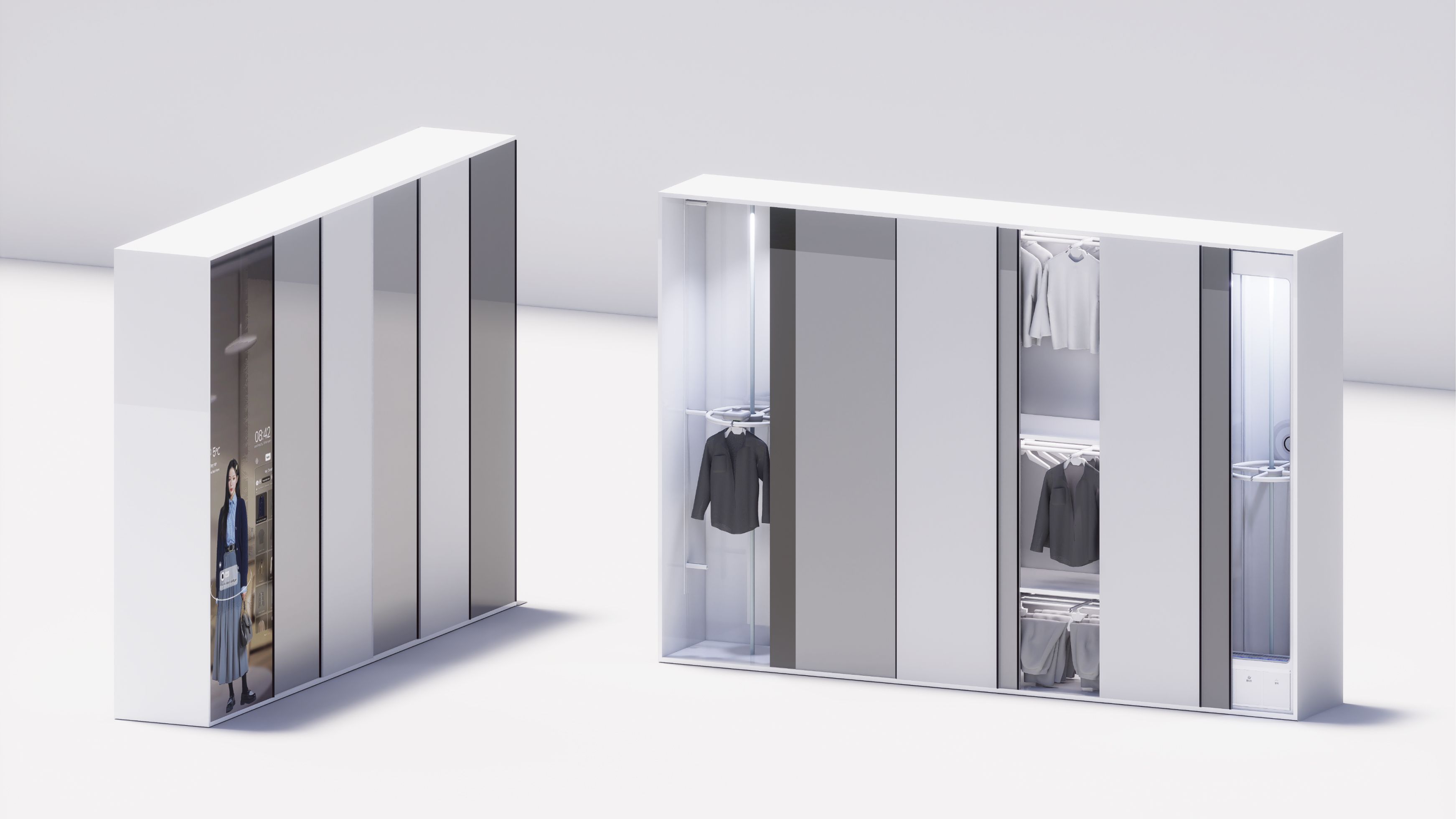
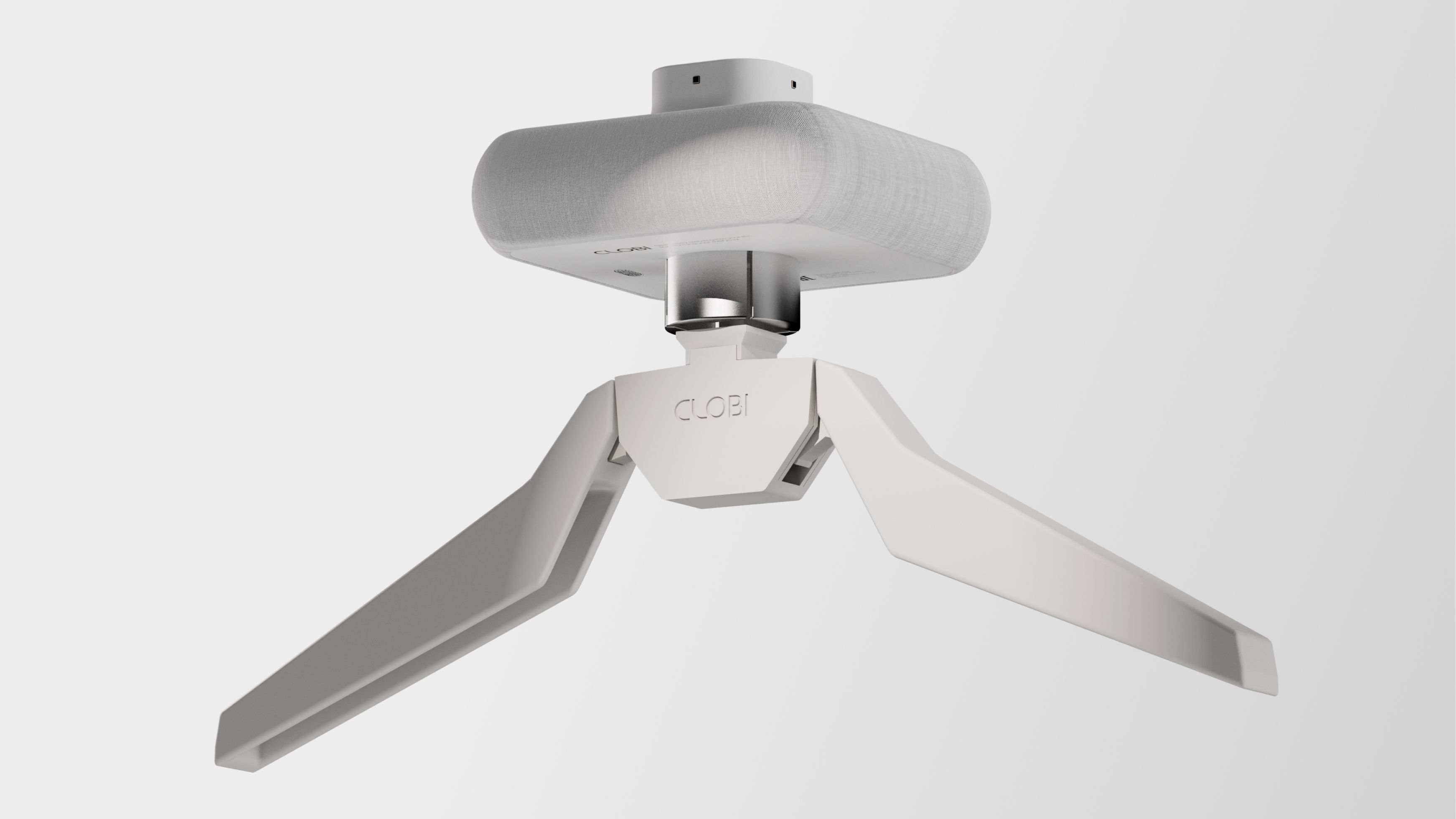
Specifically, the core UX challenge was optimizing the rail structure itself. We had to weigh the noise and travel time generated as the robot moves clothes along the rail, the appropriate level of technology, and overall cost together. We reviewed the robot's movement method and structure piece by piece, identifying which configurations were prone to failure, and sought the most efficient rail structure through multiple rounds of prototyping. Based on that, we reorganized the curved rail into a vertical structure and replaced the robotized hanger, which needed individual motors, sensors, and batteries, with one traveling robot and a manual-release hanger. This lowered noise, failure risk, and cost while keeping travel efficiency intact.
What was your personal highlight in the development process? Was there an aha!-moment, was there a low point?
My highlight came from the rail-hanger usability process. Through bodystorming, we surfaced real discomforts with existing appliances: awkward reach heights, hangers that snagged, the effort of pulling clothes down. We built low-fidelity rail and hanger prototypes and tested repeatedly, adjusting angle, grip force, and arm length each round, watching where hands hesitated. We converged on a spring-latch mechanism with a two-degree trigger that felt natural to grab and release. That gradual path, from observed discomfort to a confirmed comfortable structure, was the real aha moment. The low point was our first hanger, needing motors, sensors, and batteries per unit, raising cost and noise, until we redesigned around one traveling robot.
Where do you see yourself and the project in the next five years?
In the next five years, I see this project evolving alongside the shift toward Rahmen-structure apartments, which remove load-bearing walls and let residents reconfigure layouts freely. As living spaces grow more flexible, the wardrobe needs to adapt to each household's environment rather than assume one fixed layout. We already designed with this in mind, choosing appropriate technology and cost levels deliberately: a fixed vertical rail over complex moving structures, off-the-shelf sensors over custom hardware, and a modular built-in form fitting standard wall depth across unit configurations. Personally, I want to keep designing systems that stay technically grounded and cost-realistic while adaptable to how people actually live.