Designers
Jiwoo Yang, Seunghwan Jung, Yuchan Moon, Dongho Lee, Daeeun Yoon, Kihwan Jang, Sungyong Hwang, Minji Kang, Jaehoon Lee
Year
2026
Category
New Talent
Country
Korea, Republic
School
Hongik University
Teacher
Hyejin Kim, Seungnam Kim
Three questions to the project team
What was the particular challenge of the project from a UX point of view?
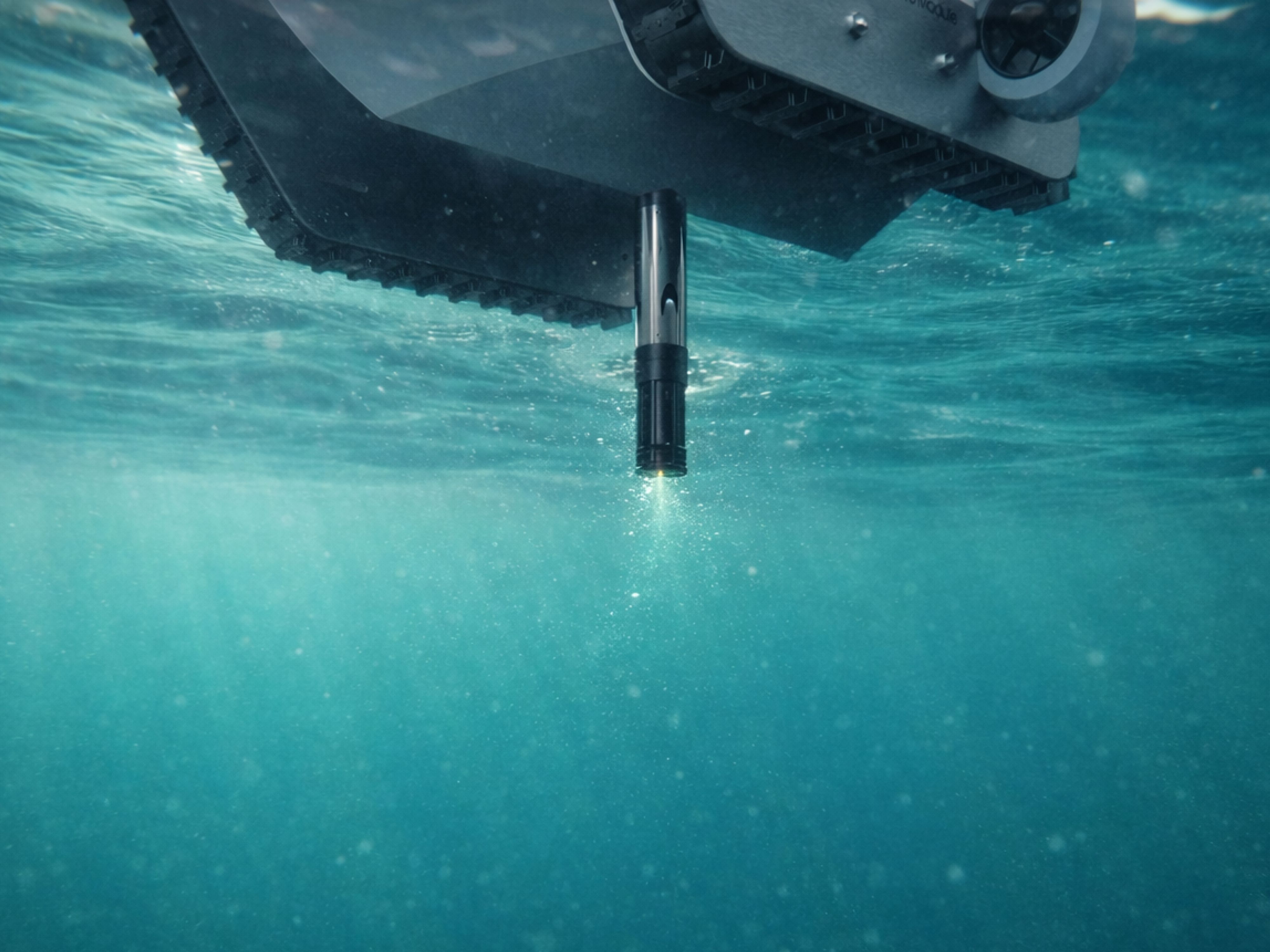
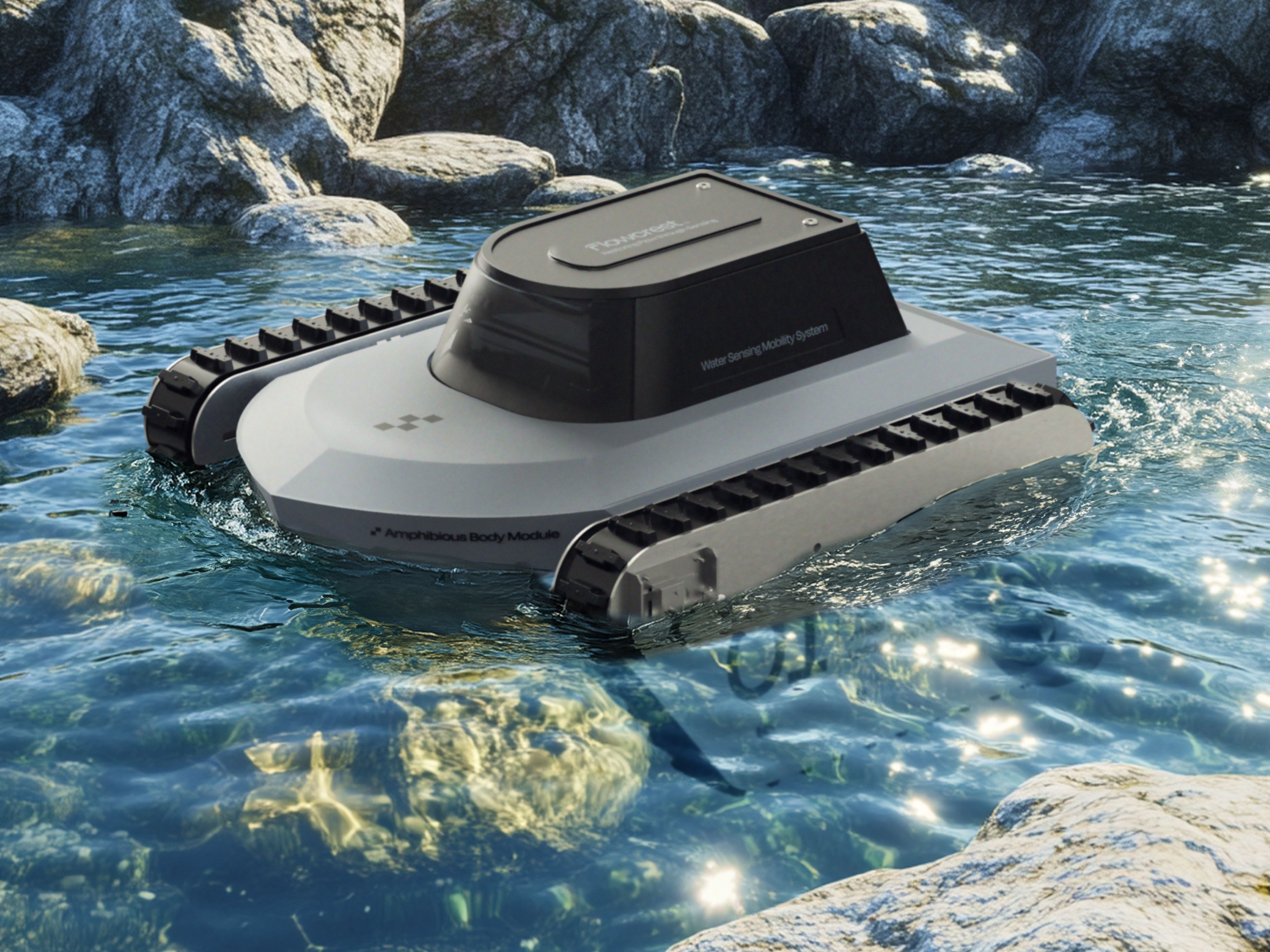
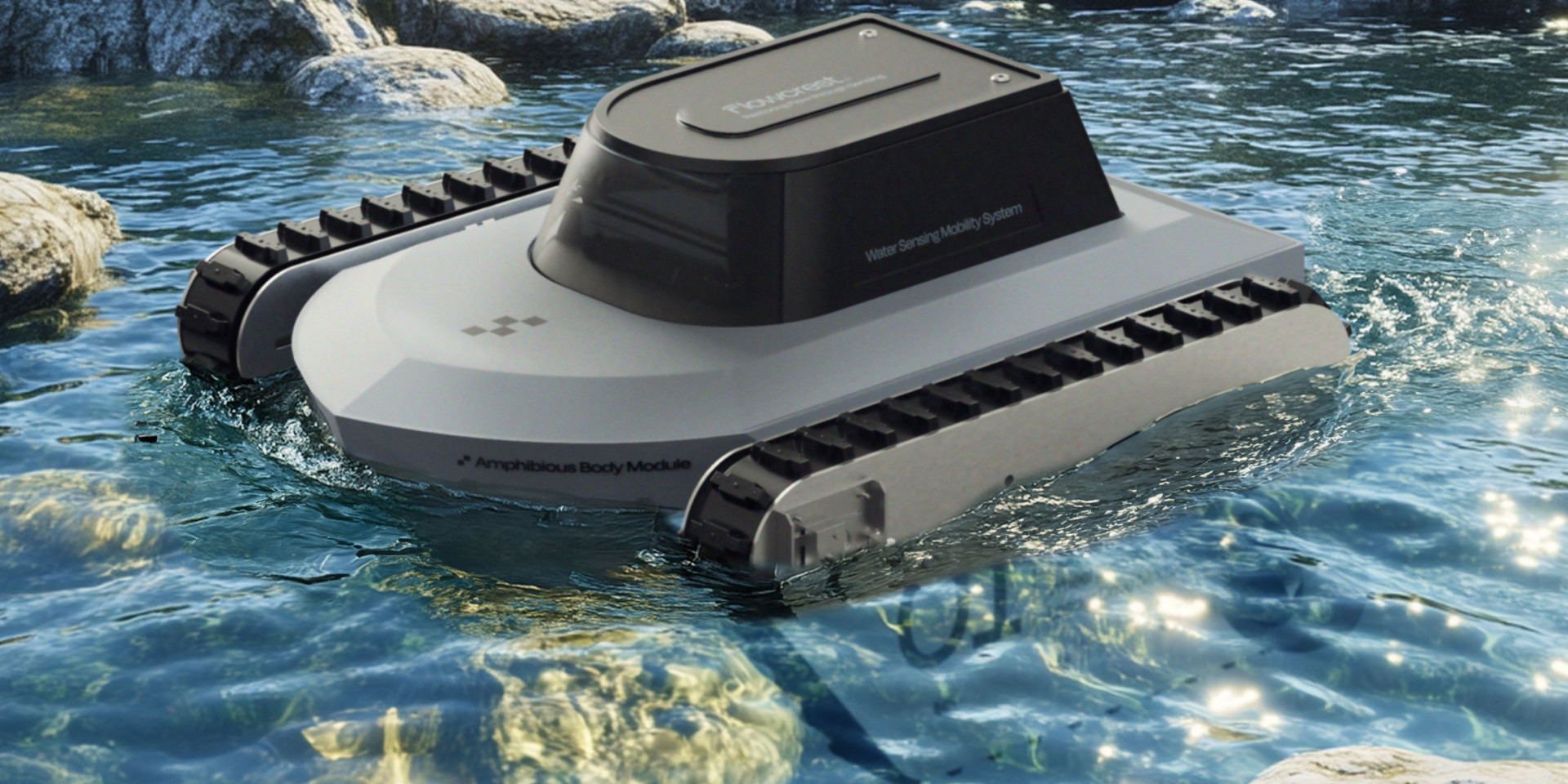
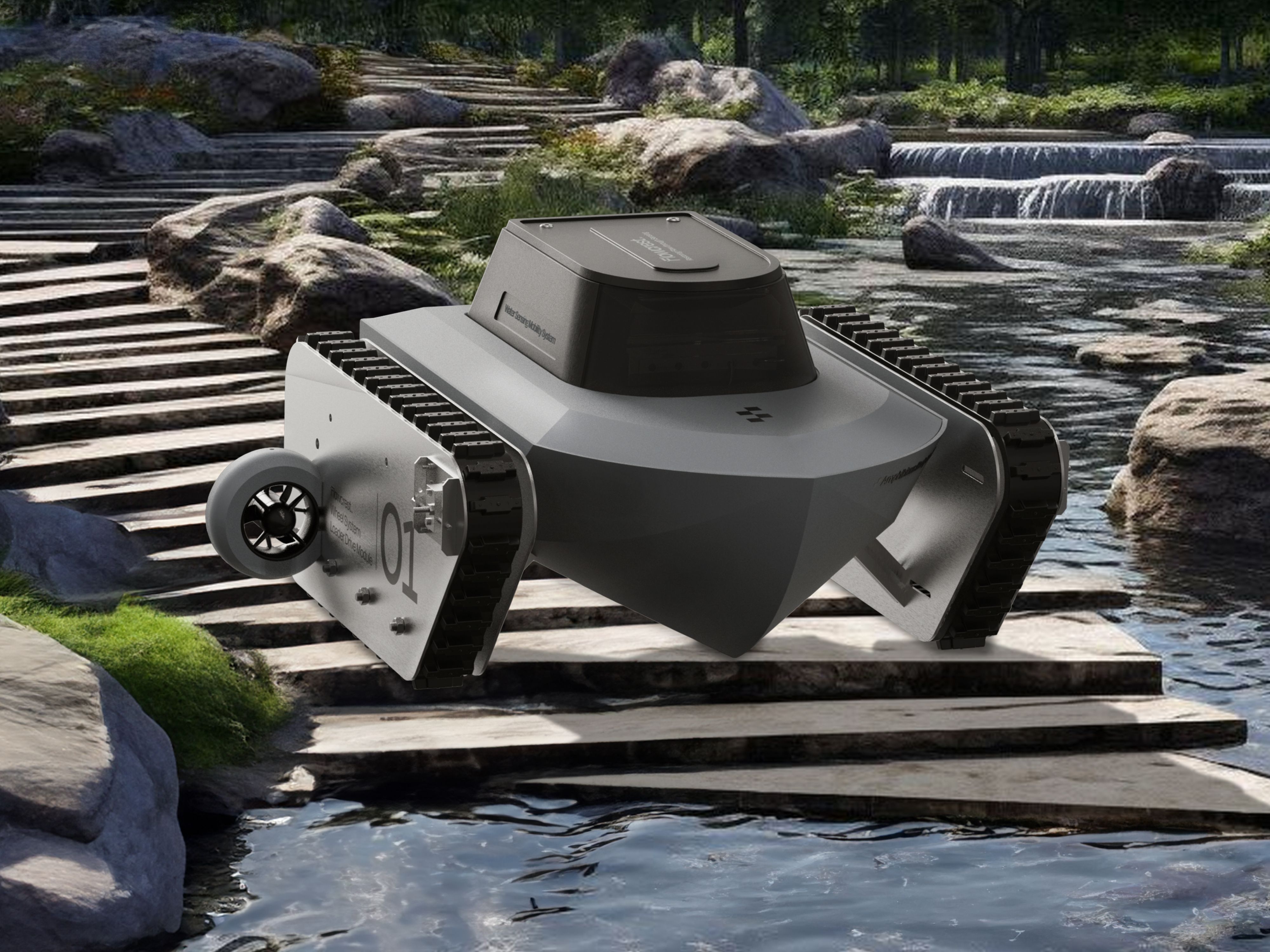
Existing water quality management systems rely on fixed sensors, making it difficult to detect pollution across large water areas in real time. As a result, managers must spend significant time and resources on repetitive field inspections and manual measurements. The main UX challenge of this project was to shift water quality management from a reactive approach to a preventive one. To address this, we proposed an autonomous water quality sensing system capable of moving seamlessly across land and water. By utilizing mobile sensing mobility, the system continuously monitors large water areas and enables real-time detection of water quality conditions, creating a more proactive and efficient management experience.
What was your personal highlight in the development process? Was there an aha!-moment, was there a low point?
The most memorable moment was realizing that the core issue in water quality management was not sensor performance, but the management approach itself. Initially, the project focused on water quality sensing technologies and sensor systems. However, research revealed that fixed sensors have limitations in detecting pollution across large water areas in real time. This insight shifted the project from developing sensing devices to creating a mobile water quality management system. Comparing various alternatives, including drones, unmanned surface vehicles, and fixed buoys, eventually led us to identify amphibious mobility as the most effective solution. This became the project's biggest turning point.
Where do you see yourself and the project in the next five years?
In five years, I hope to grow as a designer who addresses social challenges through user experience and product design. I also envision Flowcrest evolving beyond a water quality sensing device into a smart environmental management platform that can be applied across diverse water environments. By integrating AI-based analysis and autonomous mobility technologies, Flowcrest aims to support a shift from reactive pollution response to preventive water management. Ultimately, I hope the project can contribute to providing safer and more sustainable water resources, helping more people benefit from a healthier and better-managed environment.