Designers
Viktor Hotskivskyi, Oleg Gasioshyn, Sasha Shumylo
Year
2026
Category
Concept
Country
Ukraine
Design Studio / Department
The Gradient
Three questions to the project team
What was the particular challenge of the project from a UX point of view?
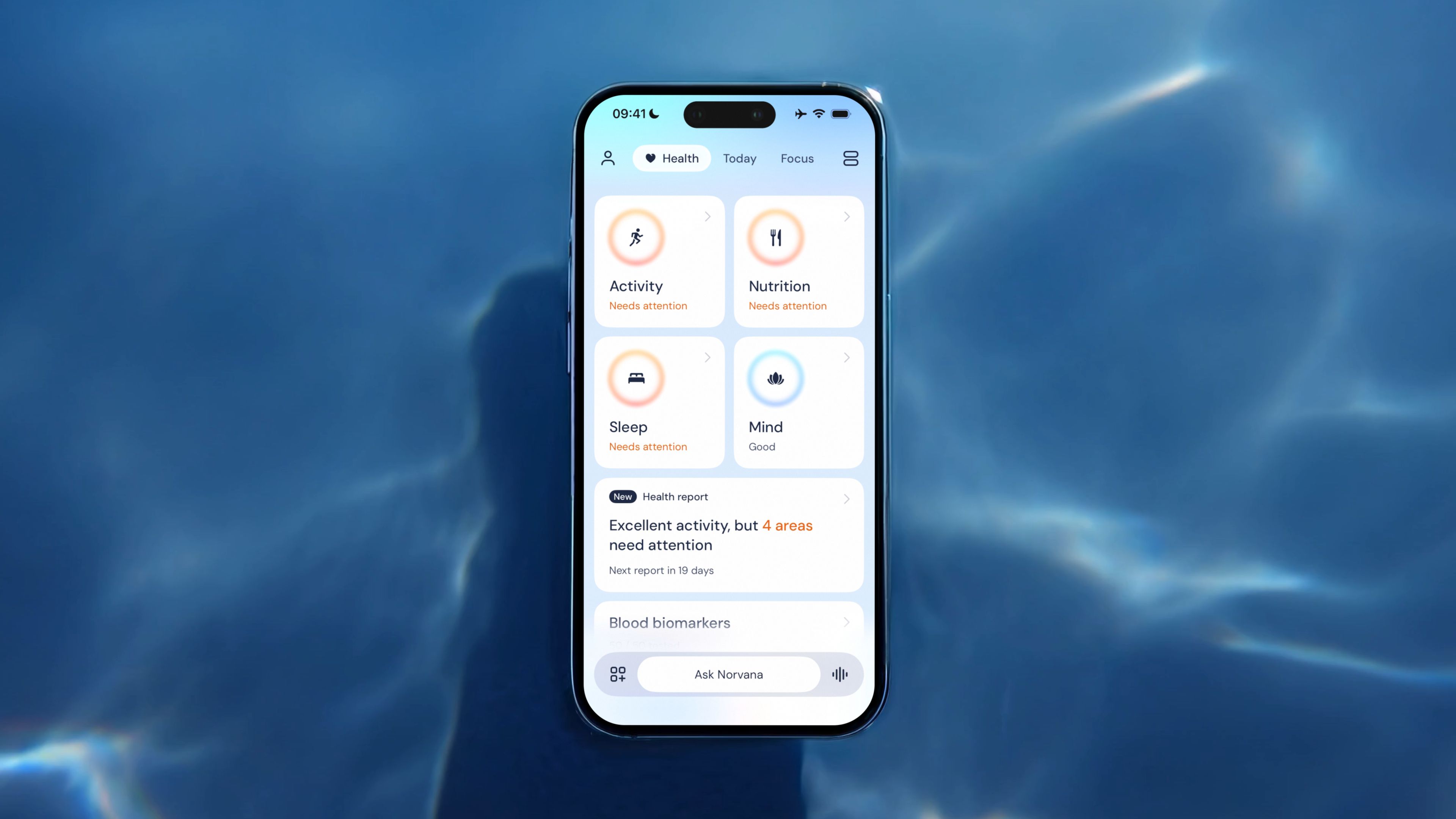
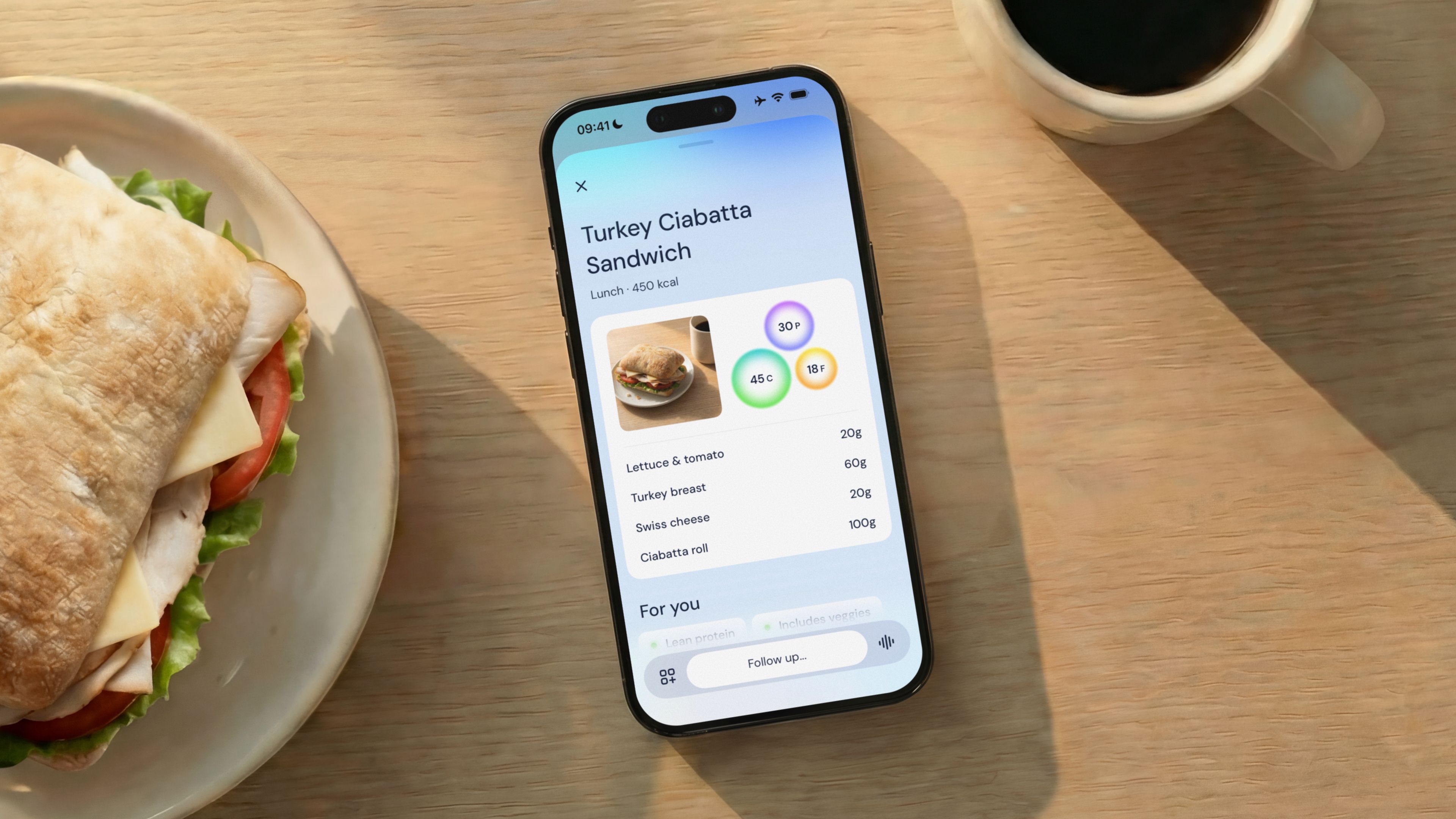
The hardest UX problem wasn’t on screen. In a personalized health product, the same screen means different things to different people. A sleep report is reassurance for an athlete and a warning for someone with insomnia. We couldn’t validate that in Figma; static mockups can’t show how the product behaves against real medical context. So we stopped designing screens and started building in code, testing on our own devices with real HealthKit data. That’s when the real decisions surfaced: health scores looked clean but created anxiety, so we supplemented numbers with status labels. The interface users see is only half the product. The other half is the context the AI holds, and that’s where the design work actually lives.
What was your personal highlight in the development process? Was there an aha!-moment, was there a low point?
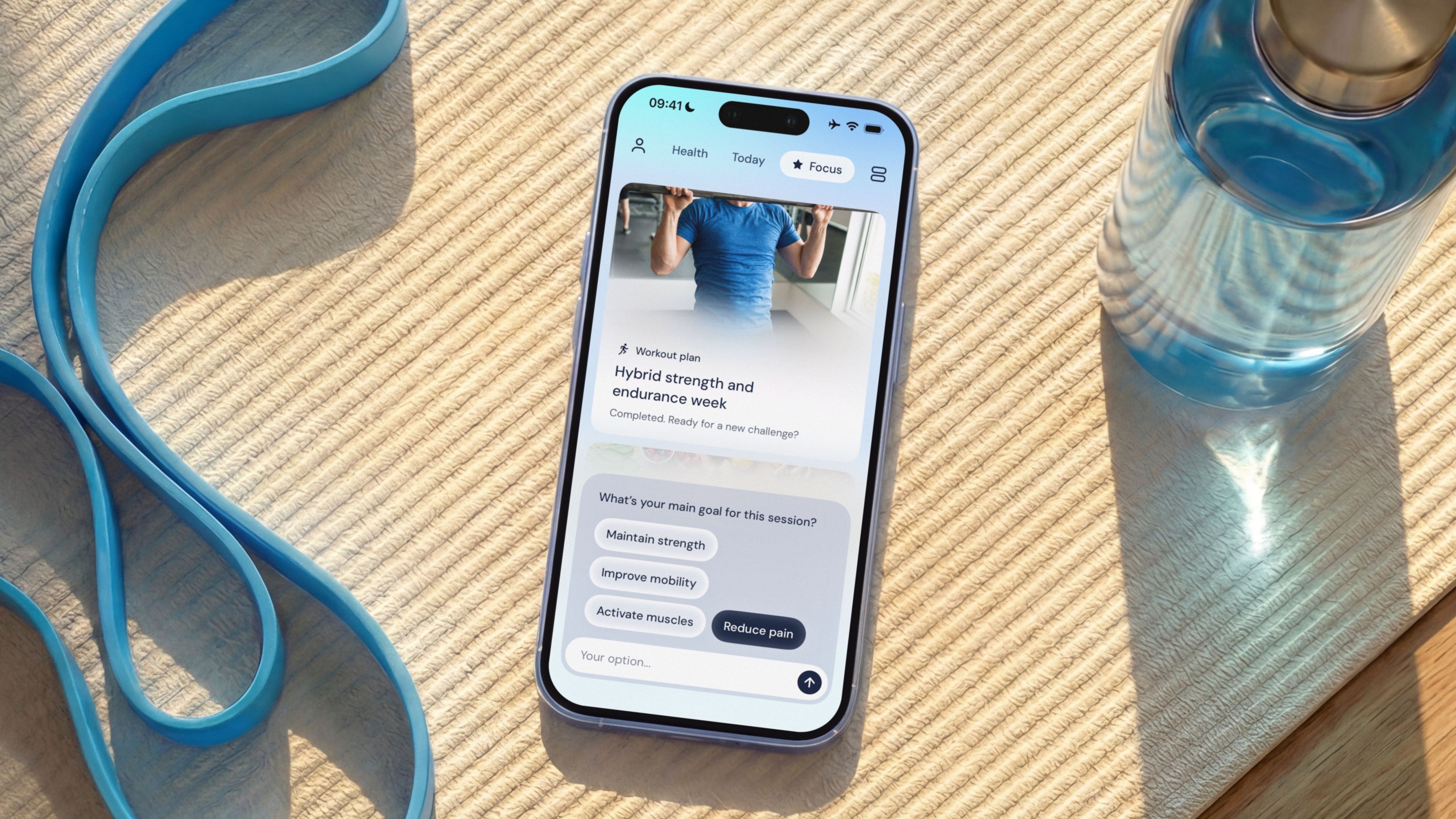
The highlight was a design decision about character. Most health AI is built to be agreeable. We gave Norvana a position to defend, to advocate for what’s right for the user and hold it, even when pushed. It disagreed, asked follow-ups, and called out unrealistic goals. It stopped being an assistant and became a companion. The lesson: you design AI personality by describing behavior, not scripting dialogue. The low point was workout illustrations; early image models gave us heads rotated 180°, barbells growing from necks. The fix wasn’t a better prompt. We added an “art director” model to describe each pose anatomically before generating. Broken images dropped from four in seven to one, and the last was a minor artifact, not broken anatomy.
Where do you see yourself and the project in the next five years?
Norvana pointed at something bigger than one app. Natural language has mostly solved input — people can say what they want. So the design work moves to two places. First, the output: less static UI, more generative interface assembled live around what the model returns. The whole product becomes conversational and dynamic, not a set of predefined flows. Second, the context. As on-device models and personal assistants arrive, individual apps matter less as destinations and more as context layers — building the knowledge and capabilities an assistant can draw on. In five years, our job isn’t drawing screens and flows. It’s designing behavior, building live systems, and letting the model do the work.