Designers
Nicholas Stones, Gabriel Iobbi / Team Consulting: Ben Cox, Chris Davies, Lara Zaki, Thorbjorg Petursdottir, Thomas Grant
Year
2026
Category
Product
Country
Switzerland
Design Studio / Department
Consulting Team
Three questions to the project team
What was the particular challenge of the project from a UX point of view?
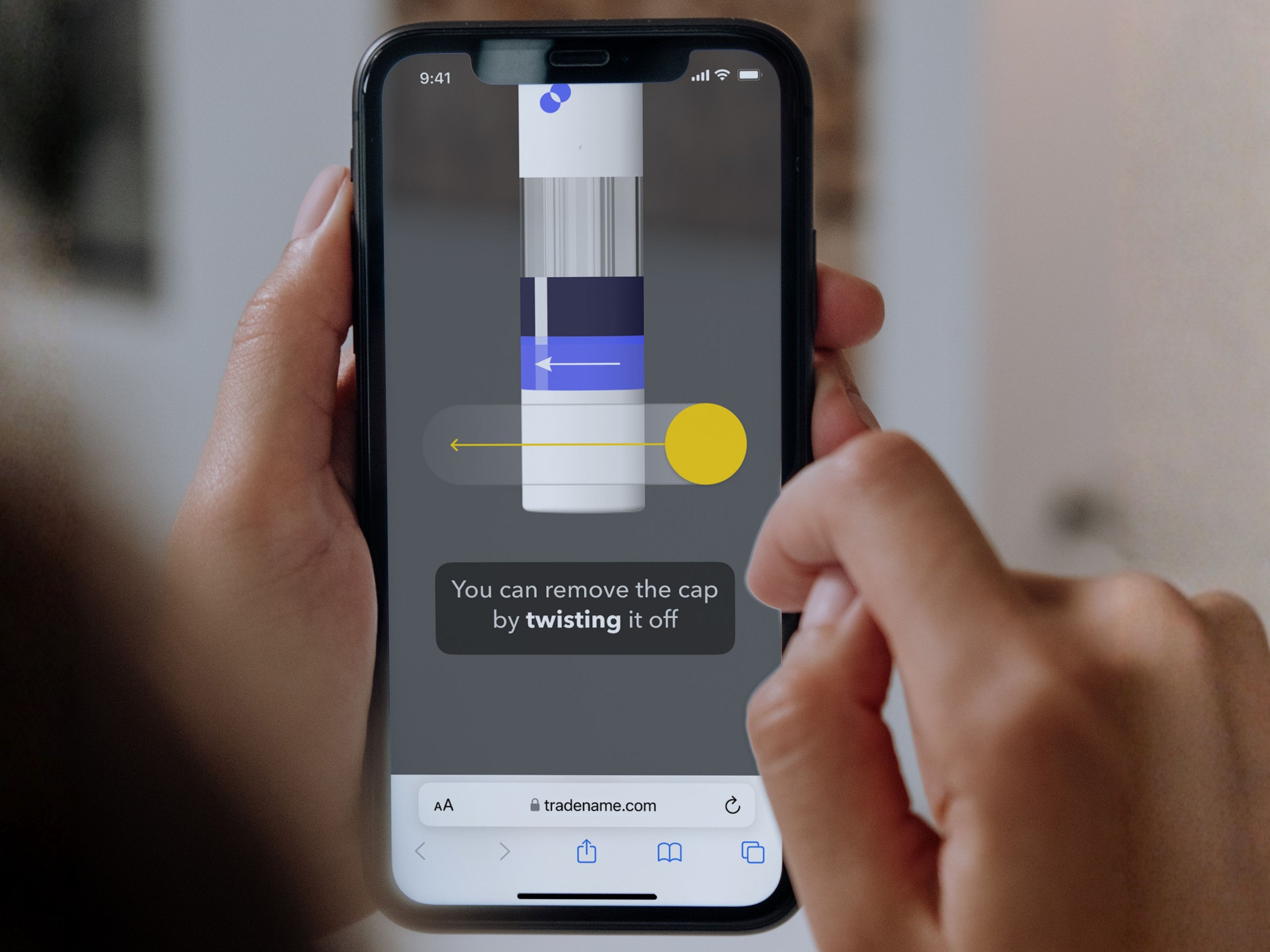
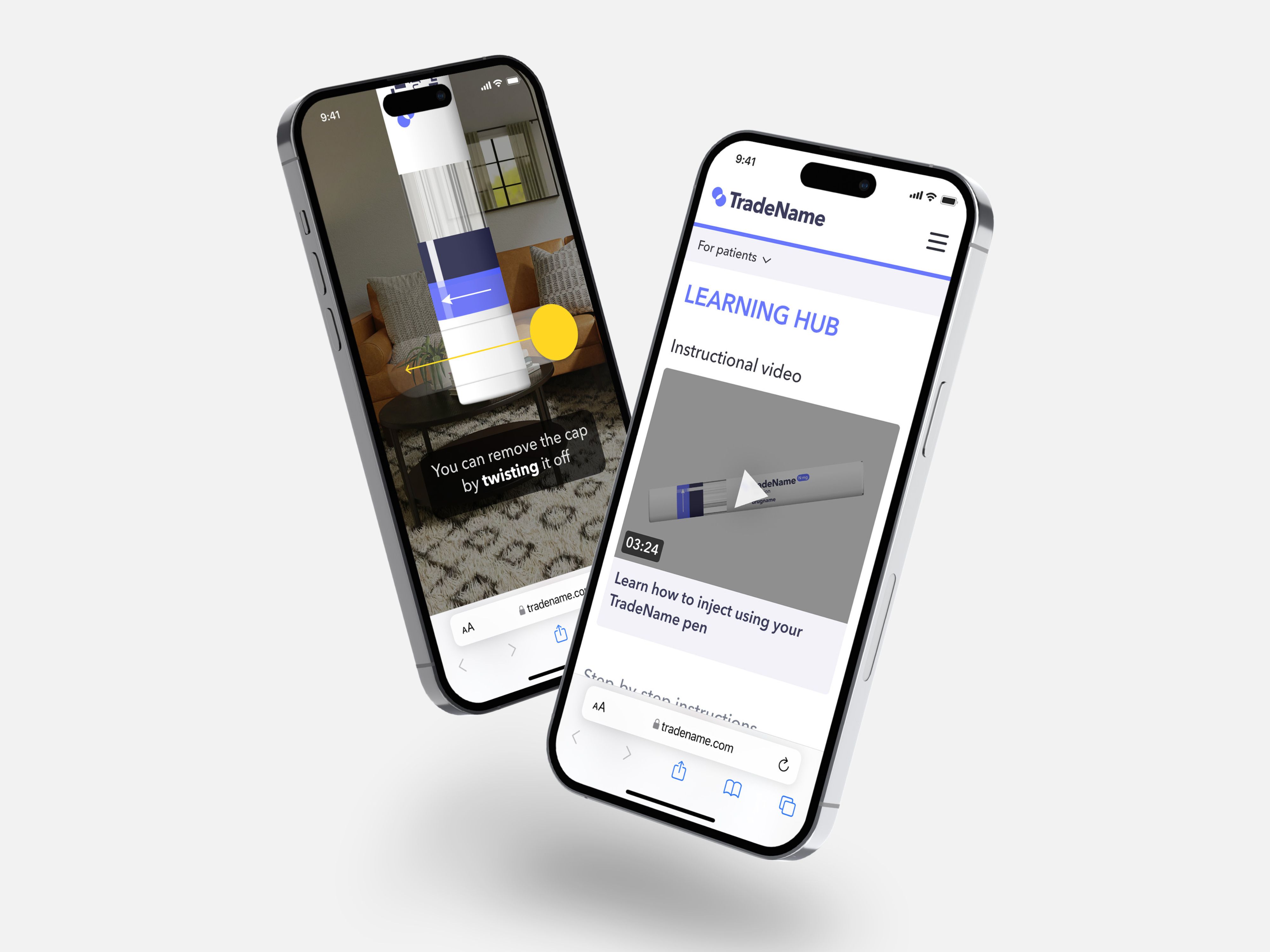
We had to be mindful of the unintended impacts of seemingly small design decisions. In the UX design of the solution, how different information is positioned, the level of detail incorporated, and the order of presentation all play a role in how users consolidate learning. For example, if you illustrate what “incorrect use” looks like compared to “correct use,” it may be helpful for users’ understanding but you risk the possibility that they misremember which action is correct. We had to be careful about deploying learning techniques responsibly and incorporating safety mechanisms and salient signposts to help draw attention to the right details.
What was your personal highlight in the development process? Was there an aha!-moment, was there a low point?
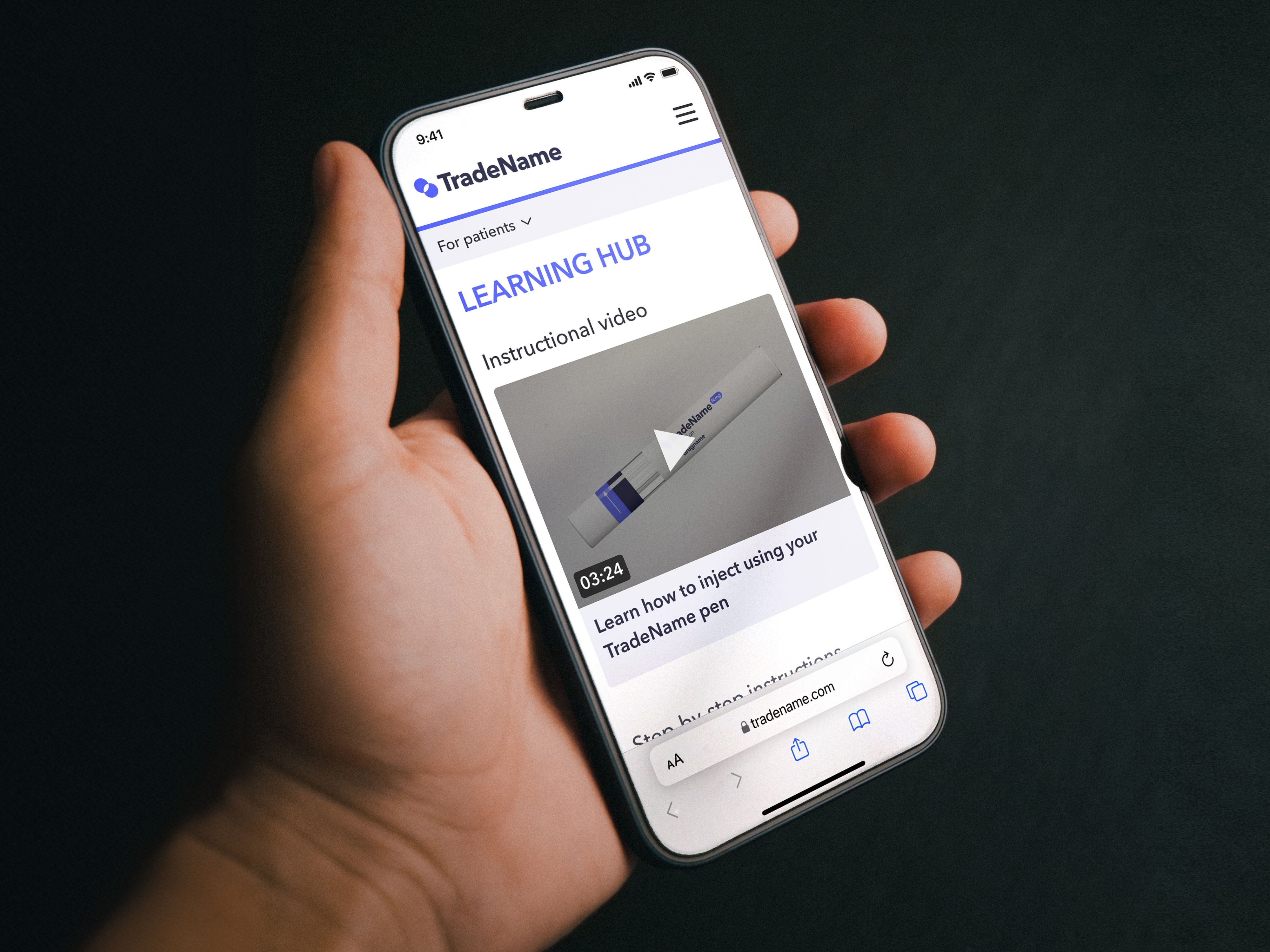
It was a real highlight to observe people with relapsing forms of multiple sclerosis (RMS) interacting with the solution in user studies. We learned so much about what people expect, look for, and need when learning how to self-inject at home as part of their treatment. It is so important to design in context – people can be experiencing all kinds of challenges, including psychological, cognitive, and physical challenges. Working directly with RMS patients helped us keep those experiences top of mind throughout the design and iteration process. We maintained a clear objective around how people would use this solution and what they wanted out of it to improve their self-injection experience.
Where do you see yourself and the project in the next five years?
This solution is accessible and scalable and can make a difference to people’s treatment experiences. In the next five years, we will see solutions like these being implemented across different therapeutic areas and treatment pathways. Learning how to use medical devices for long-term regimens at home can be overwhelming, and we want to provide people with materials that build confidence and minimise burden. There is so much more that can be done to provide people with the support they need, from incorporating interactive features to more personalised support, and we look forward to developing more creative ways of achieving that.