Year
2026
Category
Product
Country
United States
Design Studio / Department
Remepy
Three questions to the project team
What was the particular challenge of the project from a UX point of view?
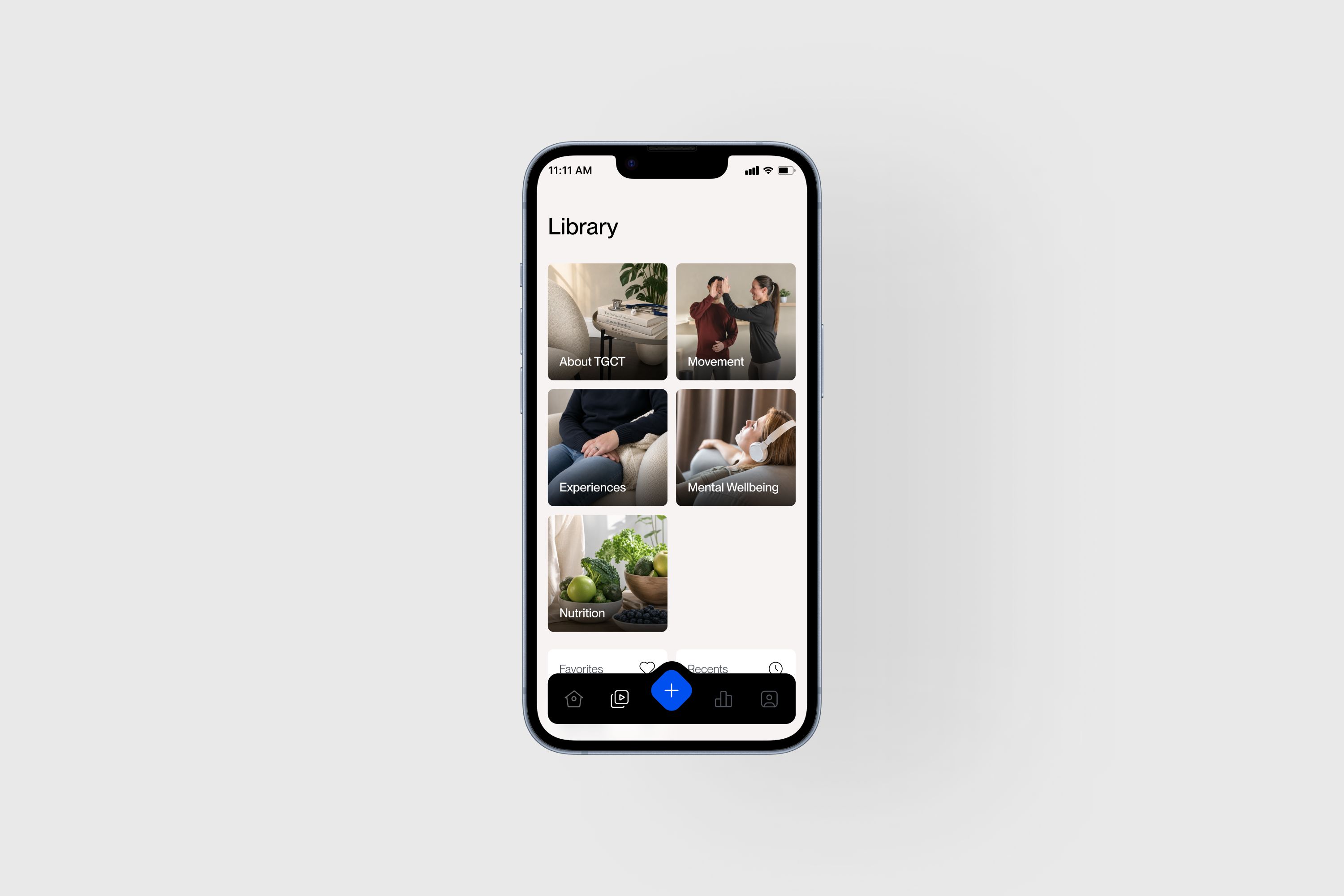
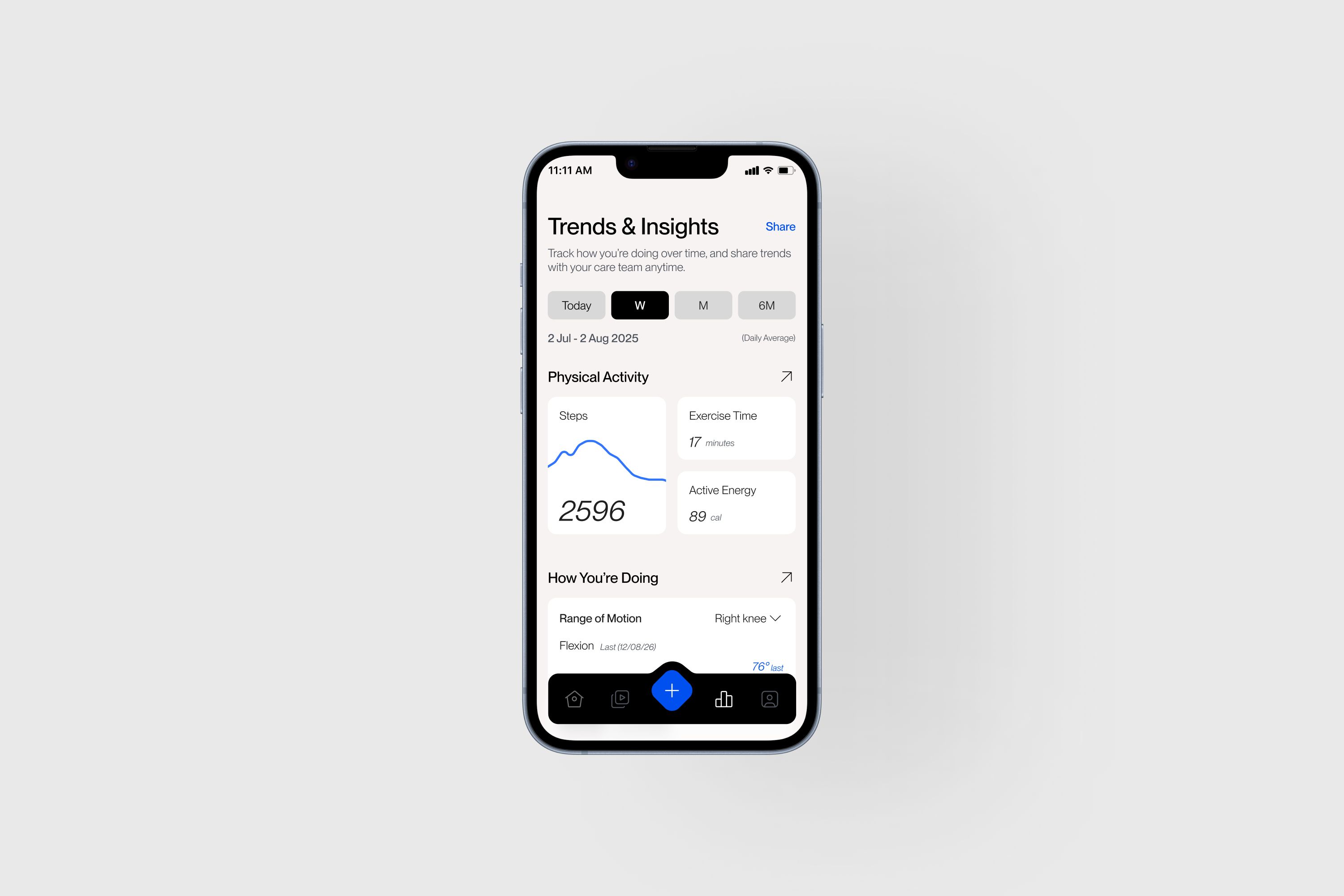
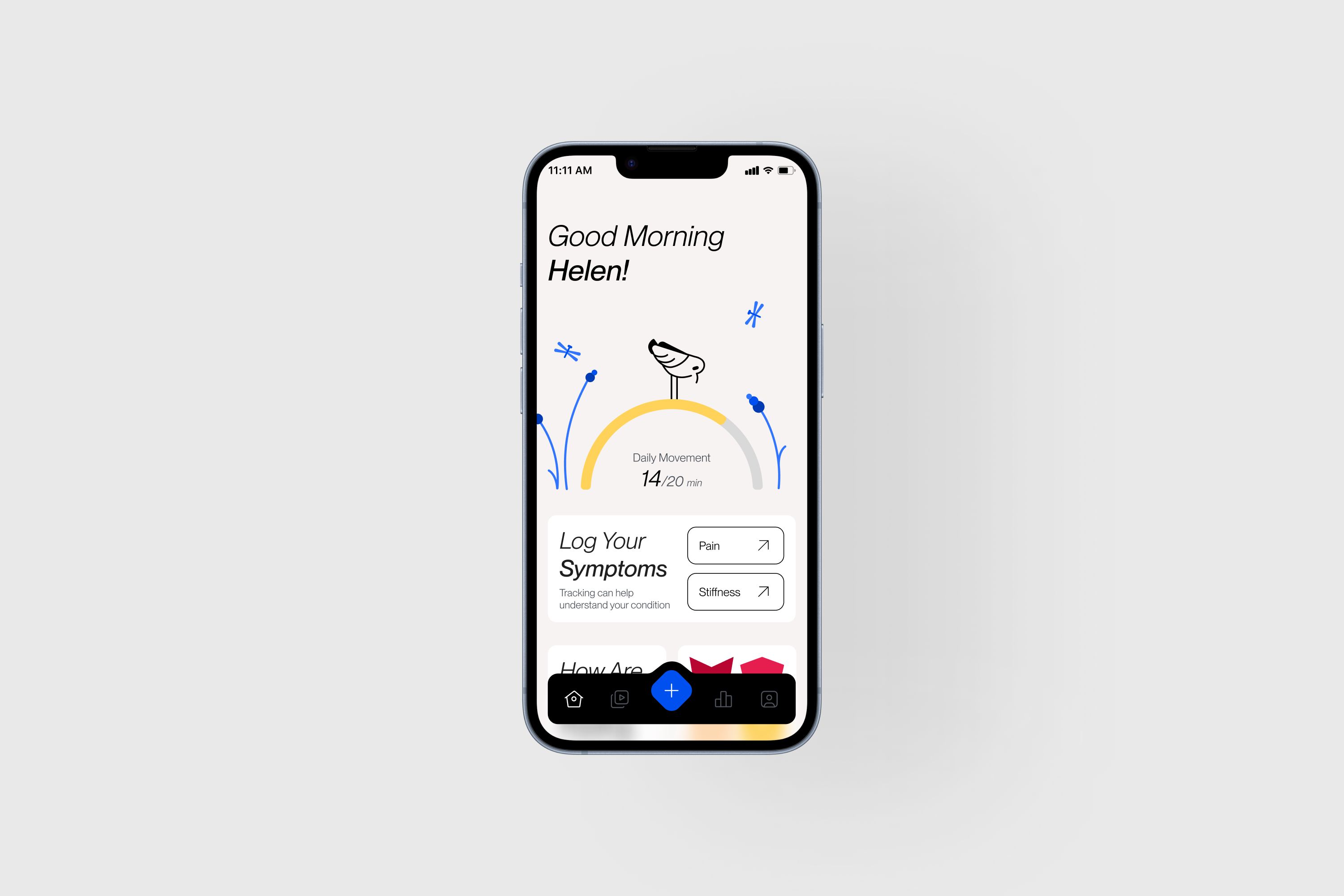
The UX challenge was to bridge a clinical and scientific approach with a human, empathetic experience for people living with a rare disease. Patients with TGCT often face fragmented information, mobility changes, pain, delayed diagnosis, and uncertainty between clinical visits. The app needed to centralize trusted education, tracking, wellbeing support, medication routines, and care-preparation tools while being simple to use. A key challenge was designing a specific ROM measurement that patients who have TGCT in their knees can use at home through their smartphone to aid in discussions with their healthcare team. The goal was to make a complex journey feel more understandable, personal, and manageable.
What was your personal highlight in the development process? Was there an aha!-moment, was there a low point?
A major highlight was hearing a patient say the app felt “made for you.” That moment captured what the team hoped to achieve: not only useful features, but a product that reflected areal TGCT experience. Patients responded to the tools, the tone, the language, the bird character, and the feeling that important pieces were finally in one place. It was especially meaningful to see research insights become concrete design decisions, such as patient-shaped language describing their pain, self-care tracking, range-of-motion measurement, goals, and provider-ready reports. The hardest part was translating a complex and emotional disease journey into an app that felt simple-to-use trustworthy, and supportive.
Where do you see yourself and the project in the next five years?
We hope that in five years, TGCT & Me becomes a model for how people living with rare diseases can take more control and manage their condition The ambition is for the app to keep improving through real-world feedback, deeper personalization, broader content, and stronger connections between daily patient experience and care conversations. We hope it helps structure more informed conversations between patients and healthcare providers, while supporting self-advocacy, wellbeing, and a stronger sense of agency for people navigating rare and often misunderstood conditions.