Designers
Julius Beil
Year
2026
Category
New Talent
Country
Germany
School
Anhalt University of Applied Sciences
Teacher
Severin Wucher, Hermann Klöckner
Three questions to the project team
What was the particular challenge of the project from a UX point of view?
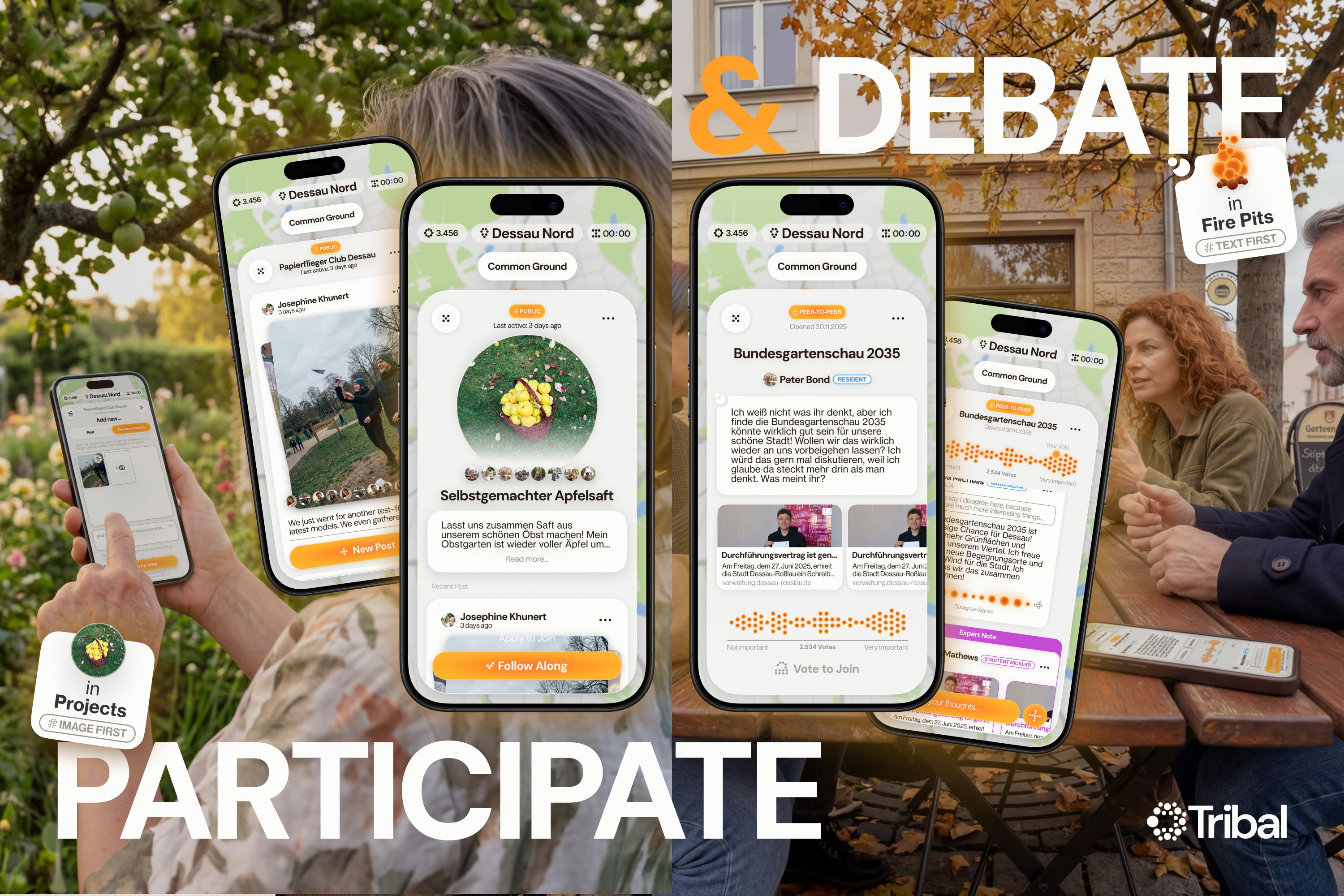
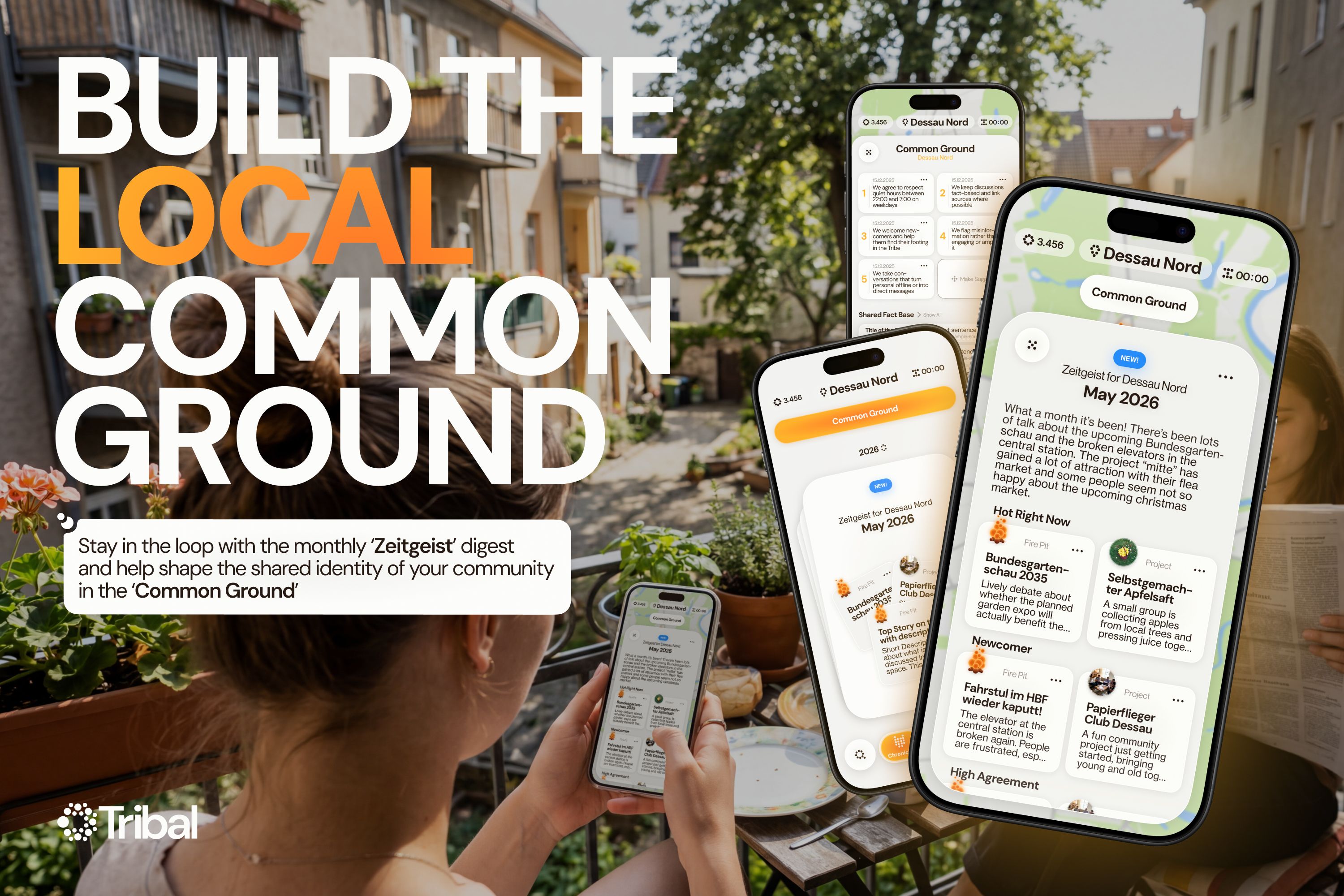
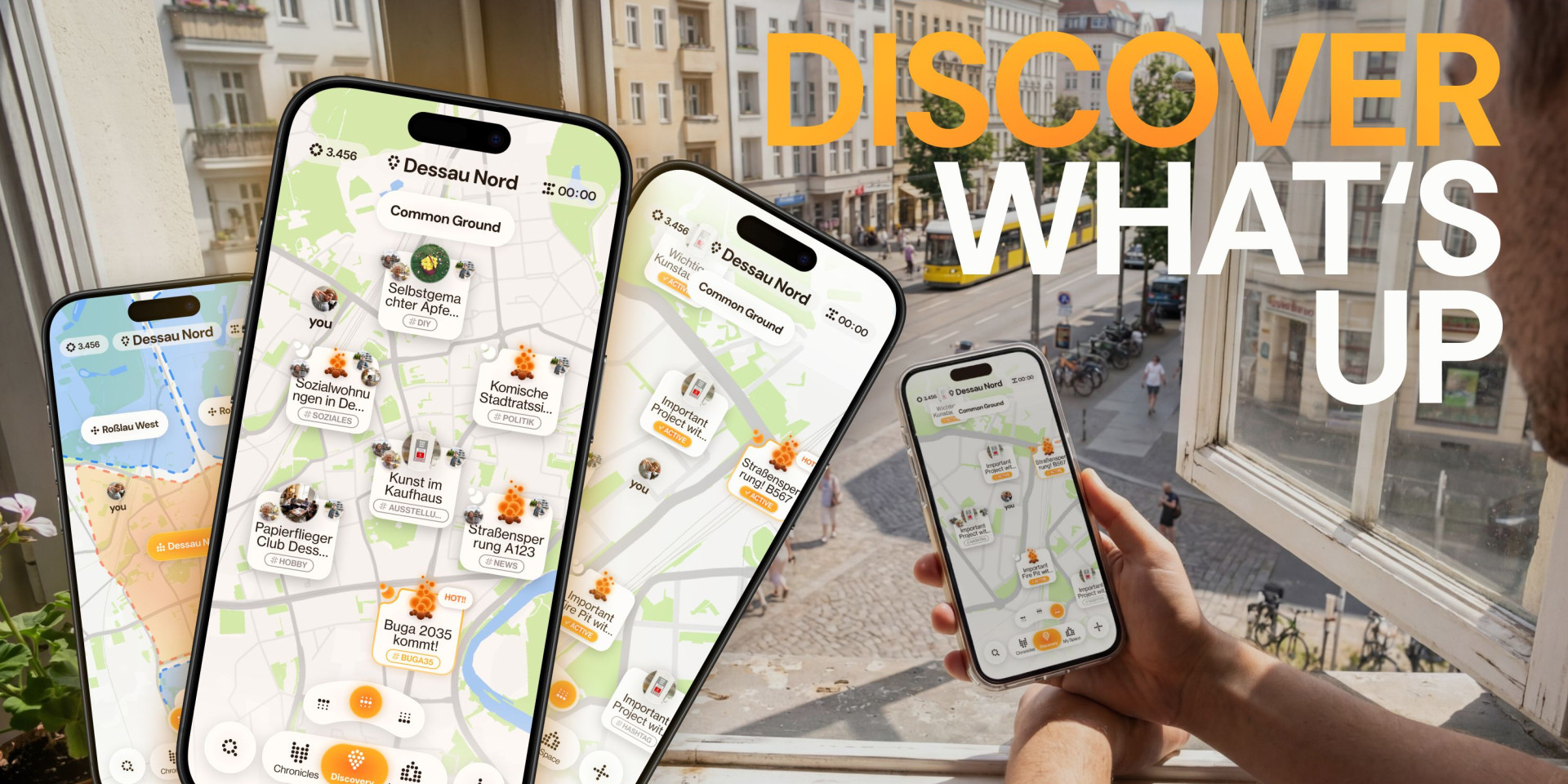
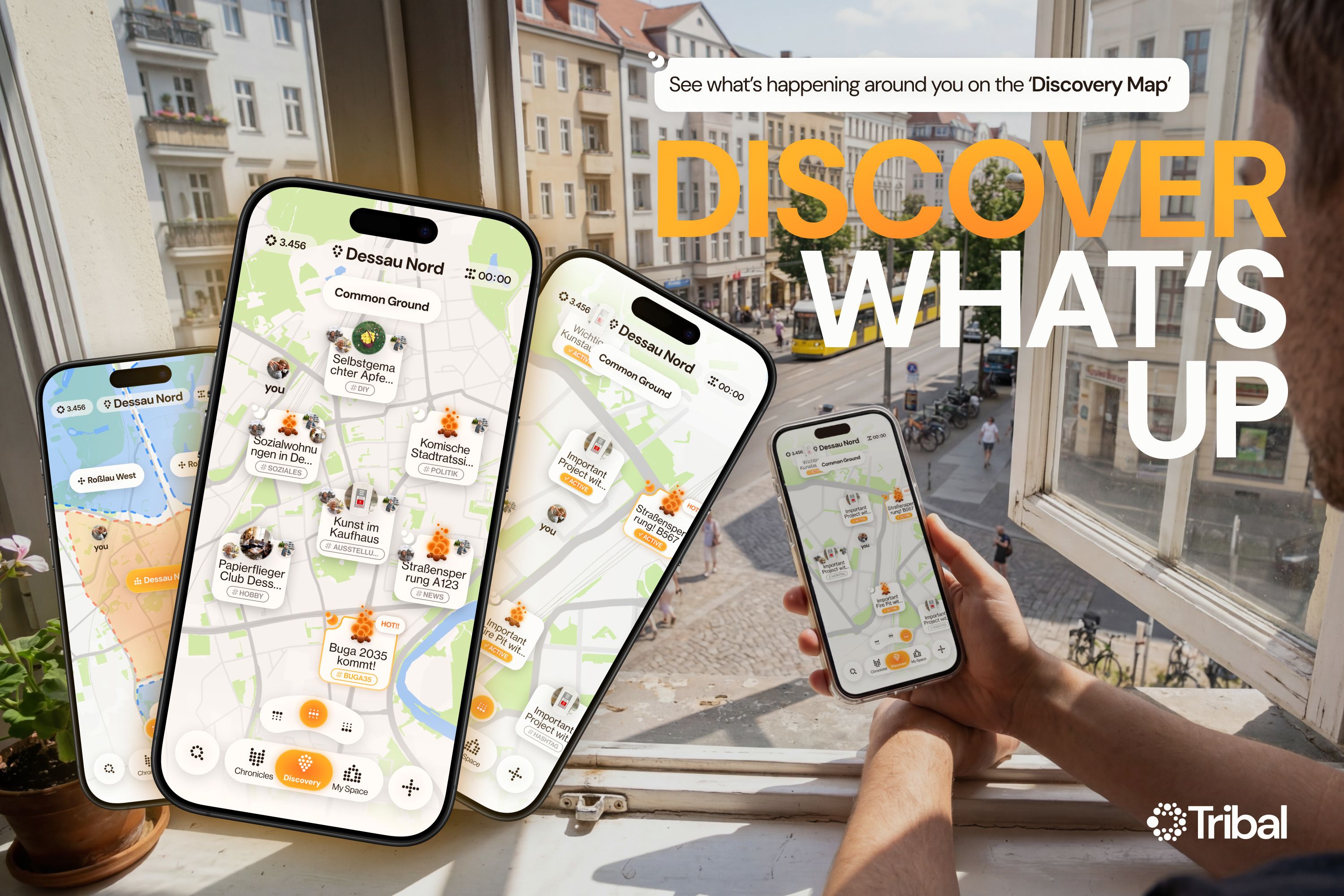
The biggest challenge was designing something that feels familiar and friendly, while introducing a whole host of new mental models around the usage and purpose of social media as a local public space. Discovery had to stay filter-free and transparent, so the algorithmic feed gives way to a Discovery Map you actually explore, not one that decides for you. Moderation, accountability and fact-checking had to mostly live inside the experience with minimal external oversight, which meant introducing friction in the right places rather than leaning on algorithms. Throughout, the goal was keeping every interaction low-threshold and intuitive while the system underneath provides the infrastructure for a safe and genuinely human public space.
What was your personal highlight in the development process? Was there an aha!-moment, was there a low point?
The real highlight was when the project reached a crossroads. Looking at where the internet is headed the choice was pretty simple: build a hyper-personalized experience like a private, AI-generated peephole onto the internet, or commit to the opposite, an interpersonal space built around community and not the individual. A close second was realising there's a blind spot online between messengers and mass social media at the scale of roughly 100 to 10,000 people grouped locally. Another was the tribal metaphor: the goal was to set Tribal apart from the cold language of traditional platforms and make it more emotionally accessible. I was very unsure about something so archaic, but it kept proving useful to communicate what sets it apart.
Where do you see yourself and the project in the next five years?
The project was originally designed as a deliberately provocative response to the question of digital sovereignty in Europe. However, it seems to have struck a chord at a moment when the debate around meaningful alternative platforms and democratic resilience is gaining momentum. That's why, together with the start-up center at my university, I am now exploring funding opportunities and preparing an application for an EXIST Start-up Grant to develop Tribal from prototype to MVP. With that in mind I believe Tribal has the potential to move from initial validation and testing in a pilot region to a stable, deployed product within five years, especially since the necessary technology is widely available and it relies on a proven business model.