Designers
Avika Sharma, Vitin Kumar, Laksheeta Soni, Khushhal Bharti, Harleen Kaur
Year
2026
Category
New Talent
Country
India
School
Dice Academy
Teacher
Nishant Arya
Three questions to the project team
What was the particular challenge of the project from a UX point of view?
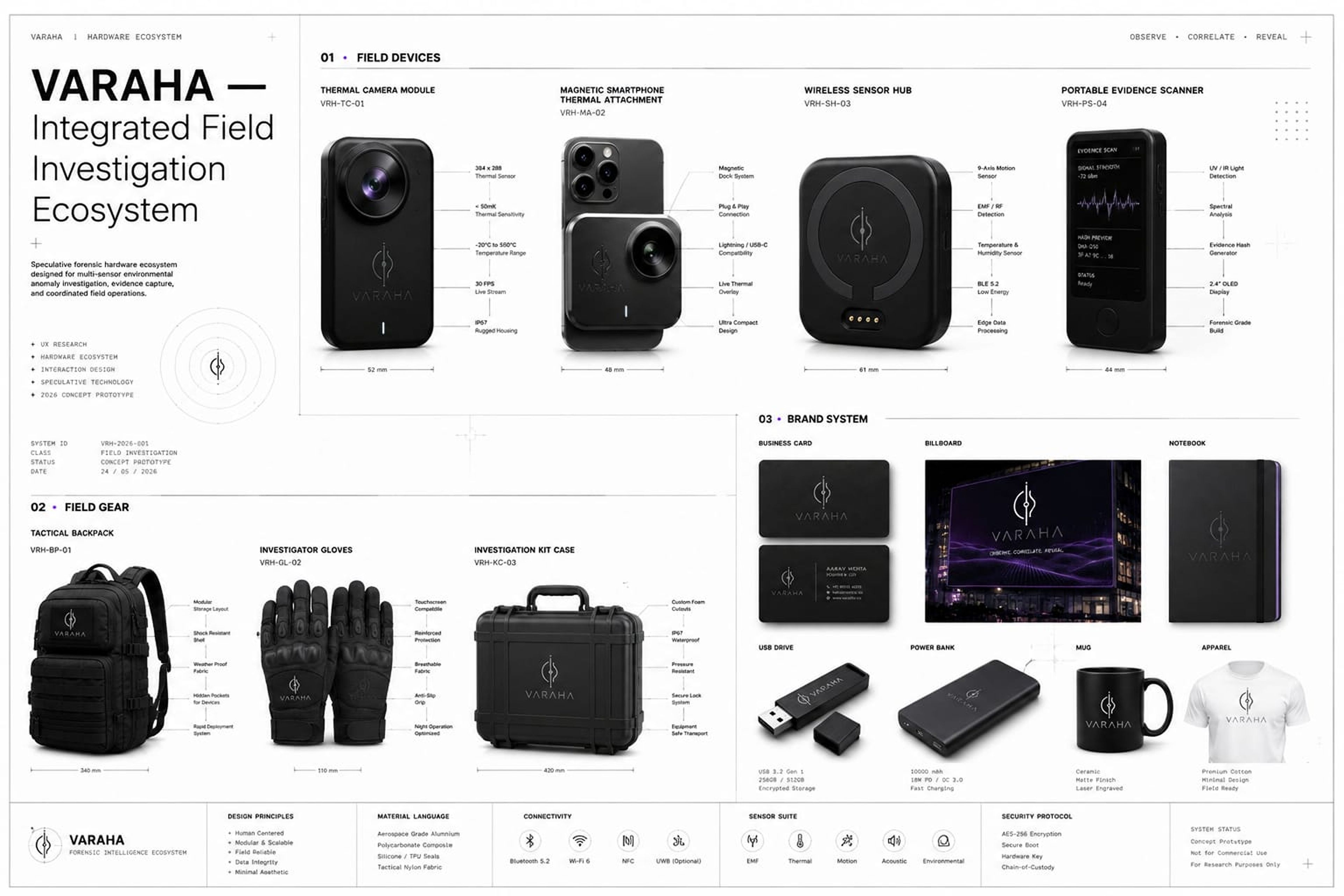
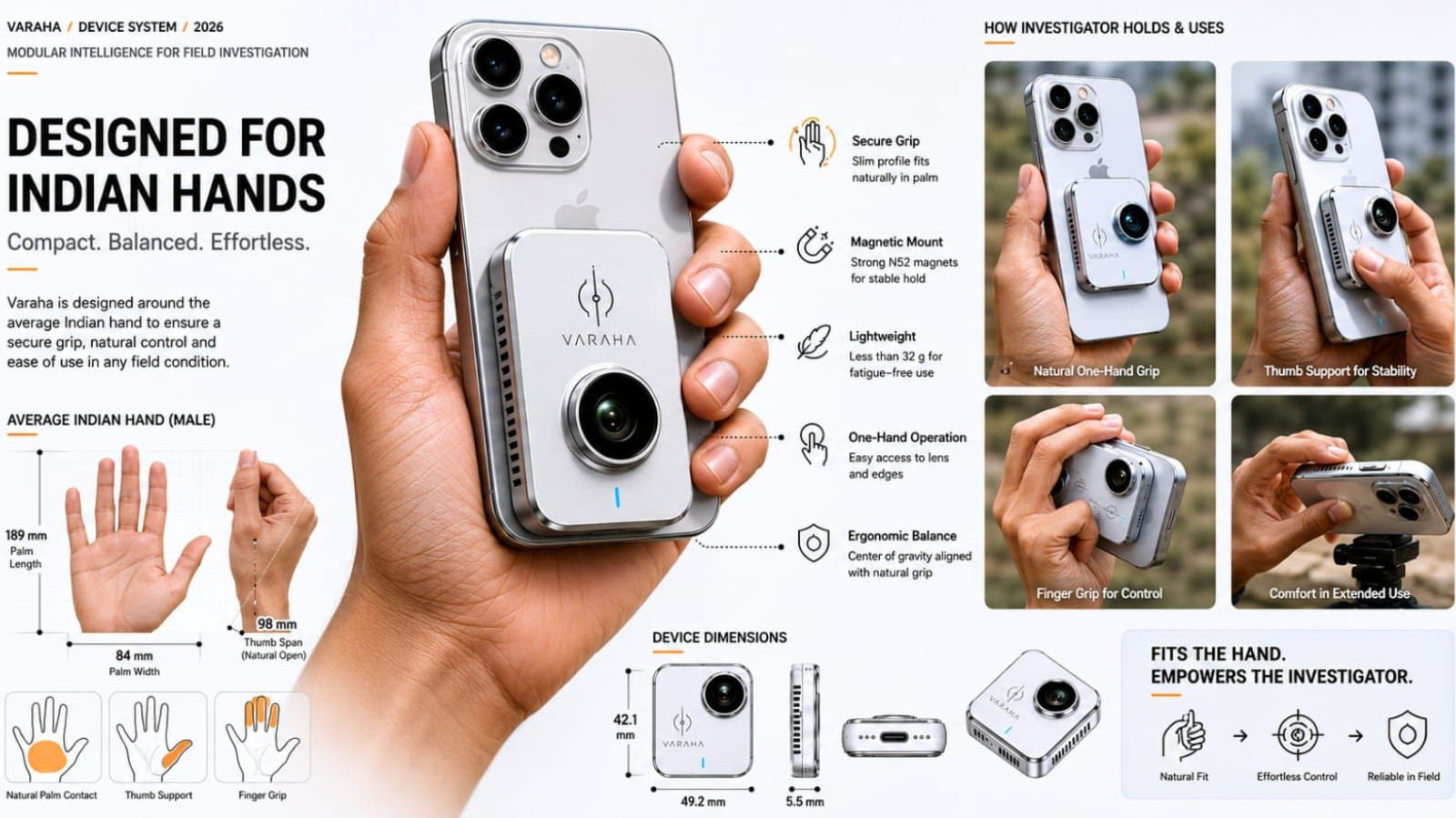
The primary challenge was designing an investigation ecosystem capable of handling technically complex sensor-based data while keeping the user experience intuitive and efficient. Field investigators often work under extreme environmental conditions where speed and precision directly impact decision-making. The challenge was reducing cognitive load by transforming complicated data collection, scanning, and analysis workflows into a simple interaction system. Creating seamless communication between the handheld device, connected modules, and digital interface while maintaining reliability and usability became the core UX challenge throughout the project.
What was your personal highlight in the development process? Was there an aha!-moment, was there a low point?
The strongest highlight was realizing that the project had the potential to become more than a standalone product and could function as a complete investigation ecosystem. The “aha” moment came during system mapping, where hardware design, user workflow, sensor technology, and digital interaction started connecting into one unified experience. A difficult phase emerged while balancing technological sophistication with operational simplicity, as advanced capabilities initially created unnecessary complexity. Repeated iterations made it clear that the true strength of the project was not technological advancement alone, but designing an experience that professionals could trust instantly in critical situations.
Where do you see yourself and the project in the next five years?
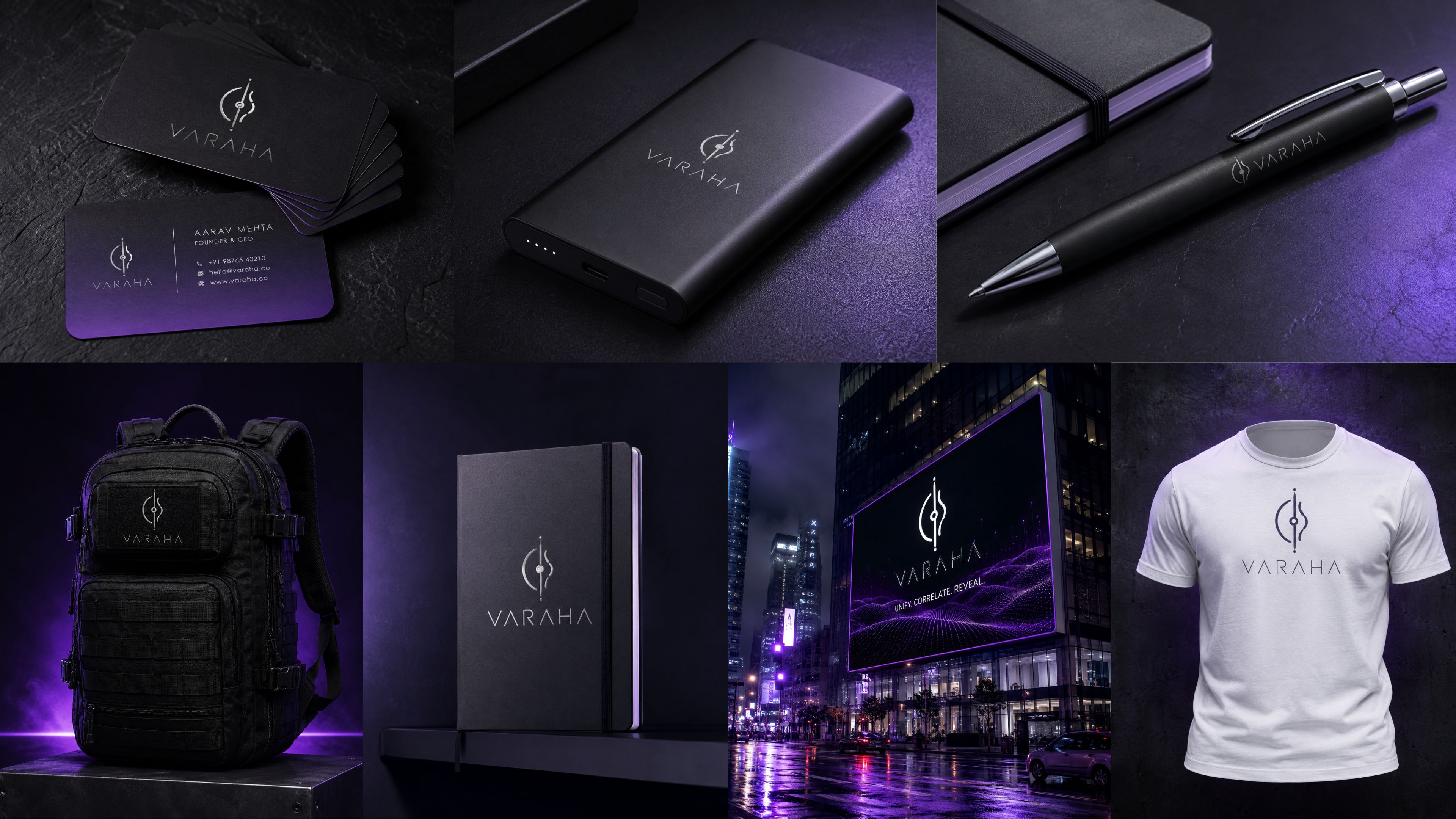
Over the next five years, I see this project evolving into a fully developed intelligent investigation platform capable of supporting professionals in high-risk and data-critical environments. With future integration of artificial intelligence, predictive analytics, and advanced sensor systems, the ecosystem could significantly improve real-time decision-making and field efficiency. Personally, I aim to continue building products where industrial design, technology, and human-centered thinking intersect. VARAHA represents not only a product concept, but a long-term vision of designing solutions that create measurable impact in critical real-world operations.